Energy Bills
How to Get Help Paying Your Heating Bill: LIHEAP and Other Programs
Quick answer
LIHEAP is the main program that helps pay a heating bill, and every state runs its own version. In Pennsylvania and New Jersey the money goes to your utility or fuel dealer. Dates and income limits differ: New Jersey opened October 1, Pennsylvania November 2, and Georgia starts in December for seniors and January for everyone else. To find your state's office, call 1-866-674-6327 or use EnergyHelp.us, and apply early.

On this page
- What is LIHEAP and what does it pay for?
- Who qualifies for LIHEAP?
- When do LIHEAP applications open this winter?
- How do you apply for LIHEAP?
- What if you have a heating emergency?
- Is LIHEAP funded for this winter?
- What other programs can help with a heating bill?
- How do you avoid LIHEAP scams?
- What can you do while you wait?
- FAQ
- Sources
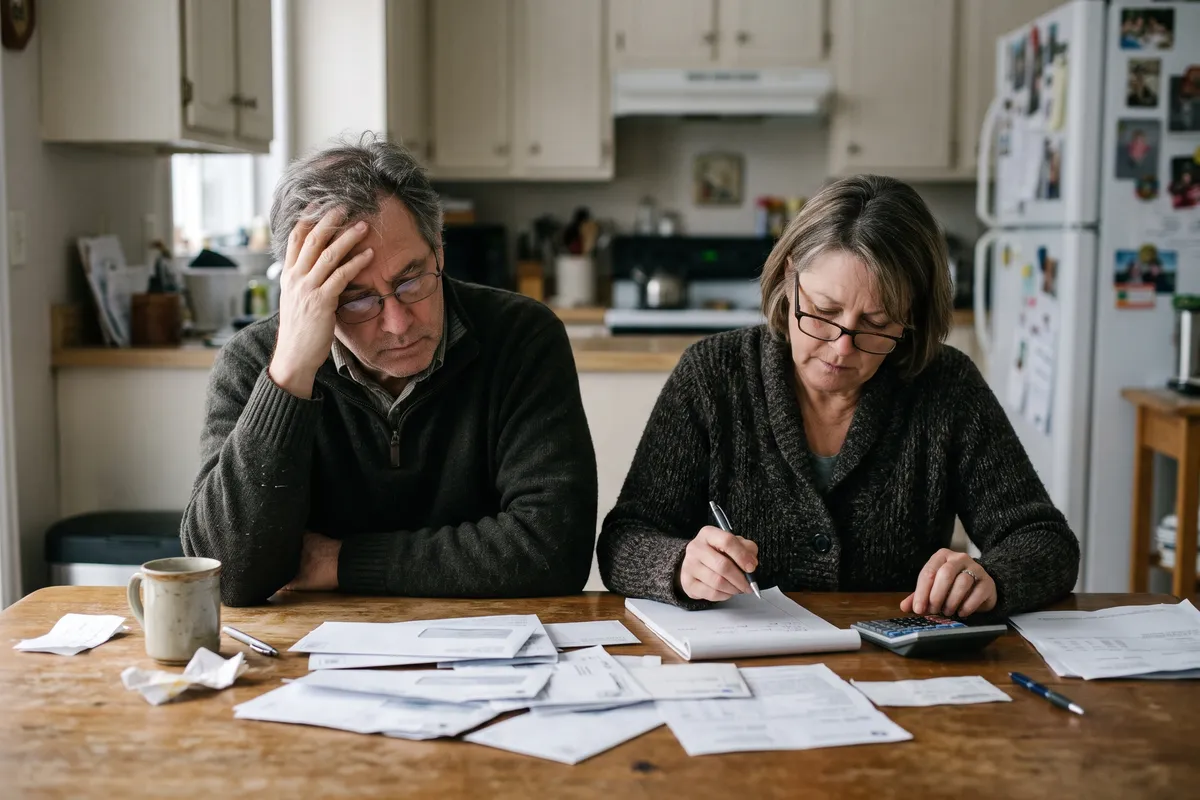
If a winter heating bill is more than you can pay, the first place to look is LIHEAP, the federal Low Income Home Energy Assistance Program. States run it, so what you can get depends on where you live. This guide covers what LIHEAP pays for, who qualifies, when three states open their applications this season, how to apply and where to turn if LIHEAP is not enough.
For scale, the EIA expects an average gas-heated home to spend about $640 from November to March, an electric home about $1,196 and a heating oil home about $2,115. I break those forecasts down in winter heating costs 2026-27. LIHEAP is aimed at households for whom a bill like that takes a large share of income. I read the federal and state pages directly, and the dates and tables below were current on November 7, 2026.
What is LIHEAP and what does it pay for?
The Administration for Children and Families (ACF), the part of the Department of Health and Human Services that oversees the program, describes LIHEAP as federally funded help to reduce home energy bills, energy emergencies, weatherization and minor energy-related home repairs. For heating, ACF says the money can help with bills, prevent shutoffs, reconnect service, make a home more energy efficient and repair or replace heating equipment. Not every state offers every piece.
The federal government does not give the money to individuals. ACF says LIHEAP does not provide direct grants to individuals, so you apply through your state or a local agency it uses. Benefits are aimed at households with low incomes, especially those that spend a high share of income on energy or include someone who is elderly, disabled or a young child.
In Pennsylvania the payment is a one-time grant sent to your utility or fuel company and credited to your bill. New Jersey says benefits can be forwarded to your gas or electric utility when you heat that way, and otherwise usually issues a two-party check in your name and the fuel supplier's. If heat is included in your rent, New Jersey pays you directly.
Who qualifies for LIHEAP?
Federal law sets a ceiling, and each state picks its own line under it. According to ACF, a state may base eligibility on income up to the greater of 150% of the federal poverty guidelines or 60% of the state median income. A state also cannot turn a household away on income alone if that income is below 110% of the poverty guidelines.
The difference shows up when two states are put side by side. A family of four in Pennsylvania can earn up to $49,500 a year and a family of four in New Jersey up to $98,602, about twice as much.
| People at home | Pennsylvania | New Jersey |
|---|---|---|
| 1 | $23,940 | $51,273 |
| 2 | $32,460 | $67,049 |
| 3 | $40,980 | $82,825 |
| 4 | $49,500 | $98,602 |
| 6 | $66,540 | $130,154 |
Maximum gross annual household income for LIHEAP heating help. Pennsylvania's table has been in effect since February 1, 2026. New Jersey's is its FFY 2027 table, set at 60% of state median income. Sources: Pennsylvania DHS, New Jersey DCA.
Both tables count everyone at home. ACF describes a household as any person or group living together as one economic unit that buys residential energy in common or pays for it through rent. Income is generally gross income, though ACF notes some states count net income after items such as medical or child care costs.
Income is not the only test, and the other conditions differ too:
- Pennsylvania: renters and homeowners can both qualify, and you do not need to be on another public assistance program or have unpaid heating bills.
- New Jersey: you must be responsible for heating costs, directly or through your rent. People in public housing or who receive rental assistance are not eligible for heating assistance unless they pay their heating costs directly to the fuel supplier.
- Georgia: you must be a U.S. citizen or legally admitted immigrant, be responsible for paying for your main heating source, and have gross annual household income at or below 60% of the state median income. Households whose energy bill has a credit of $1,000 or more are not eligible.
I would check your state's table before deciding you earn too much. The same income can qualify in one state and fall outside the line in the next.
When do LIHEAP applications open this winter?
It depends on the state. Of the three whose official pages I read, New Jersey opened first, on October 1, and Georgia opens last, with seniors first.
| State | Opens | Closes | Apply through |
|---|---|---|---|
| New Jersey | Oct. 1, 2026 | June 30, 2027 | Online or local agency |
| Pennsylvania | Nov. 2, 2026 | Apr. 23, 2027 | COMPASS or paper form |
| Georgia | Dec. (65+, homebound) Jan. (everyone) | Not stated | Local Community Action Agency |
When heating-season LIHEAP applications open in three states, who applies, and where. Georgia describes these dates as typical, and its FFY 2027 state plan is still a draft on the DFCS page. Sources: Pennsylvania DHS, New Jersey DCA, Georgia DFCS, read November 7, 2026.
New Jersey takes applications first come, first served until June 30, 2027. Pennsylvania runs its season from November 2 to April 23, 2027, and says households that received LIHEAP last season get a notice to apply early. In Georgia, the Division of Family and Children Services says heating applications typically begin on the first workday of December for residents 65 and older or medically homebound, and on the first workday of January for everyone else. Georgia agencies serve applicants first come, first served and urge people to apply early before funding expires. Because Georgia's dates are described as typical and its 2027 state plan is still a draft, I would confirm the date with your county's Community Action Agency.
Other states set their own seasons. The LIHEAP Clearinghouse lists each state's operating dates, and the phone number below will point you to your state's office.
How do you apply for LIHEAP?
- Find your state's office. EnergyHelp.us, run by the LIHEAP Clearinghouse, has an office search by state, territory or tribe. You can also call the National Energy Assistance Referral line at 1-866-674-6327 on weekdays. ACF's page for the program points to both.
- Check the income table for your household size. The state page lists it, as in the table above.
- Apply the way your state allows. Pennsylvania takes applications online through COMPASS or on paper at your county assistance office, and its LIHEAP hotline is 1-866-857-7095 on weekdays. New Jersey takes applications at energyassistance.nj.gov or through a local agency, and its number is 1-800-510-3102. In Georgia, the program is run through Community Action Agencies, so you start with the agency for your county.
- Apply early. New Jersey and Georgia serve applicants in the order they apply, and Georgia agencies can run out of funding.
- Check your status. Pennsylvania has a tracker at trackmybenefits.pa.gov for LIHEAP, Medicaid, SNAP and TANF applications.
Plan to apply again every year. Pennsylvania's page says you must reapply each season, and applying online through COMPASS makes it easier for returning applicants.
What if you have a heating emergency?
Ask about crisis help, which is separate from the regular benefit. Pennsylvania lists the situations it covers: broken heating equipment or leaking lines that must be fixed or replaced, lack of fuel, a shutoff of your main heating source, less than a 15-day supply of fuel, or the danger of having utility service terminated. It says eligible applicants receive benefits within 10 business days, or sooner when the crisis is time-sensitive and life-threatening, and that help is available 24 hours a day through your county assistance office. If you have not received the regular benefit yet that year, you apply for the program to be considered for a crisis grant.
Georgia also lists energy crisis assistance for heating or cooling emergencies that are life threatening. In other states, ask your LIHEAP office what counts as a crisis and how fast it can pay.
Is LIHEAP funded for this winter?
Yes, with some limits. On October 9, ACF announced the first release of fiscal year 2027 money, $3,631,860,000, available under the Continuing Appropriations and Extensions Act of 2027, which was signed on September 2. That is 90% of the funding available under the continuing resolution, and ACF says the funds are restricted for any state or tribe that does not yet have an approved FY27 plan. APPA notes that if HHS stays under a continuing resolution, the remaining 10% still has to be released.
The American Public Power Association reports that the administration again proposed eliminating LIHEAP in its FY2027 budget request, as it did for FY2026, and that Congress instead increased funding for FY2026. APPA also reports that the House Appropriations chair has said he opposes eliminating it. That debate is not settled, but money has been released and states are taking applications now.
My practical read is simple: if you think you qualify, apply when your state opens instead of waiting to see what happens in Washington. In first-come states, an early application is also an advantage.
What other programs can help with a heating bill?
LIHEAP is the largest, but it is not the only door. Weatherization, local agencies and state funds can help too.
| Program | What it does | Where to start |
|---|---|---|
| LIHEAP bill help | Pays part of a heating bill, usually sent to your utility or fuel dealer | Your state LIHEAP office |
| LIHEAP crisis help | Emergency help with broken equipment, no fuel or a shutoff | Same office, or the county office in Pennsylvania |
| Weatherization | Energy audit and efficiency work on the home of an eligible household | State weatherization administrator |
| New Jersey USF | Helps with gas and non-heating electric bills, up to $200 a month | Same application as LIHEAP |
| Community Action Agency | Local help with utilities, housing and other needs | Your local agency |
Where to start for each kind of help. LIHEAP and weatherization are run through your state, so the office and the rules depend on where you live. Sources: ACF, DOE, Pennsylvania DHS, New Jersey DCA.
Weatherization. The Department of Energy's Weatherization Assistance Program reduces energy costs for low-income households by making their homes more efficient. DOE says households at or below 200% of the poverty income guidelines or receiving Supplemental Security Income are eligible under its guidelines, and a state may instead use LIHEAP's 60% of state median income. Both owners and renters can apply, and a renter needs the landlord's permission before work starts. You apply through your state weatherization administrator or a local provider, and eligible households go onto a waitlist. DOE says households save $372 or more a year on average, according to a national evaluation of the program. If you are weighing the work yourself, what attic insulation costs shows what the same job runs when you pay for it.
State and local funds. Pennsylvania's LIHEAP page points to the $1 Energy Fund for people outside Philadelphia and the Utility Emergency Services Fund for Philadelphia. New Jersey's Universal Service Fund helps with gas and non-heating electric costs above a share of household income, up to a cap of $200 a month, and the same application covers both USF and LIHEAP. Ask your state's office or your local Community Action Agency what else exists where you live.
How do you avoid LIHEAP scams?
ACF says LIHEAP does not charge a fee for receiving a benefit and does not provide direct grants to individuals. If a message offers you a LIHEAP grant or asks you for a fee, ACF tells you to contact the HHS Fraud Hotline at 1-800-447-8477. I would start from your state's own page or the national referral line above rather than from a link in a text or an ad.
What can you do while you wait?
Applying does not pause the bill, so I would tell your utility or fuel dealer that you have applied and ask whether it offers a payment plan or budget billing. Pennsylvania counts the danger of utility shutoff as one reason for crisis help, so say so when you apply.
To see where the money goes, how to read your electric bill explains each line, and the average natural gas bill by state and the average electric bill by state show what households in your state typically pay. If you heat with a furnace, what it costs to run a furnace per month gives a rough figure to plan around.
Government programs change their dates and tables often, so I read the official pages again before I update this guide. The way I vet sources is on how I research costs, and related guides sit in the Energy Bills section.
Frequently asked questions
Who qualifies for LIHEAP?
Households with low incomes, with the exact limit set by each state. Federal law lets a state use up to the greater of 150% of the poverty guidelines or 60% of state median income. In Pennsylvania a family of four can earn up to $49,500 a year, and in New Jersey up to $98,602.
How much money can you get from LIHEAP?
It varies by state. Pennsylvania pays a one-time cash grant of $200 to $1,000, based on household size, income and fuel type. New Jersey sets the benefit by income, household size, fuel type and heating region.
Does LIHEAP pay you or your utility?
In Pennsylvania the grant goes to your utility or fuel company and is credited to your bill. In New Jersey it can go to your utility if you heat with gas or electricity, usually comes as a two-party check with the fuel supplier for other fuels, and goes directly to you if heat is included in your rent.
Can renters get LIHEAP?
Yes in some cases. Pennsylvania says renters and homeowners can both qualify. New Jersey requires you to be responsible for heating costs, directly or through your rent, but excludes public housing and rental-assistance households unless they pay the fuel supplier directly.
Do you have to pay LIHEAP back?
Pennsylvania says its LIHEAP grants do not need to be repaid. Check your own state's page for its rules.
Do you have to apply for LIHEAP every year?
Yes in Pennsylvania, which says you must apply every year. Plan on reapplying each season wherever you live and check when your state opens.
Does it cost anything to apply for LIHEAP?
No. ACF says LIHEAP does not charge a fee for receiving a benefit. If someone asks you for a fee, ACF tells you to contact the HHS Fraud Hotline at 1-800-447-8477.
What is the LIHEAP phone number?
The National Energy Assistance Referral line is 1-866-674-6327, and EnergyHelp.us has an office search by state. Each state also has its own number, such as 1-866-857-7095 in Pennsylvania and 1-800-510-3102 in New Jersey.
Sources
- ACF, Office of Community Services, Low Income Home Energy Assistance Program (LIHEAP), updated October 14, 2026 (accessed November 7, 2026)
- ACF, LIHEAP IM2025-02, Federal Poverty Guidelines and State Median Income Estimates, March 3, 2025 (income ceiling and household definition; accessed November 7, 2026)
- ACF, First Block Grant Funding Release FFY 2027, October 9, 2026 (accessed November 7, 2026)
- LIHEAP Clearinghouse, EnergyHelp.us, where to apply and the National Energy Assistance Referral line (accessed November 7, 2026)
- Pennsylvania Department of Human Services, Apply for the Low Income Home Energy Assistance Program, 2026-2027 season (accessed November 7, 2026)
- New Jersey Department of Community Affairs, LIHEAP and Universal Service Fund, FFY 2027 fact sheet (accessed November 7, 2026)
- Georgia Division of Family and Children Services, Low Income Home Energy Assistance Program (accessed November 7, 2026)
- U.S. Department of Energy, Weatherization Assistance Program, How to Apply (accessed November 7, 2026)
- U.S. Department of Energy, Weatherization Assistance Program overview (accessed November 7, 2026)
- American Public Power Association, remaining FY 2026 LIHEAP funds disbursed; LIHEAP again faces elimination in FY 2027 (accessed November 7, 2026)
- U.S. Energy Information Administration, Winter Fuels Outlook 2026-27, October 6, 2026 (heating bill averages)

Founder and editor, The Cost of Home
I write and check every guide on this site myself, working from public data. The sources behind each number are listed at the end of the article, so you can check them too.